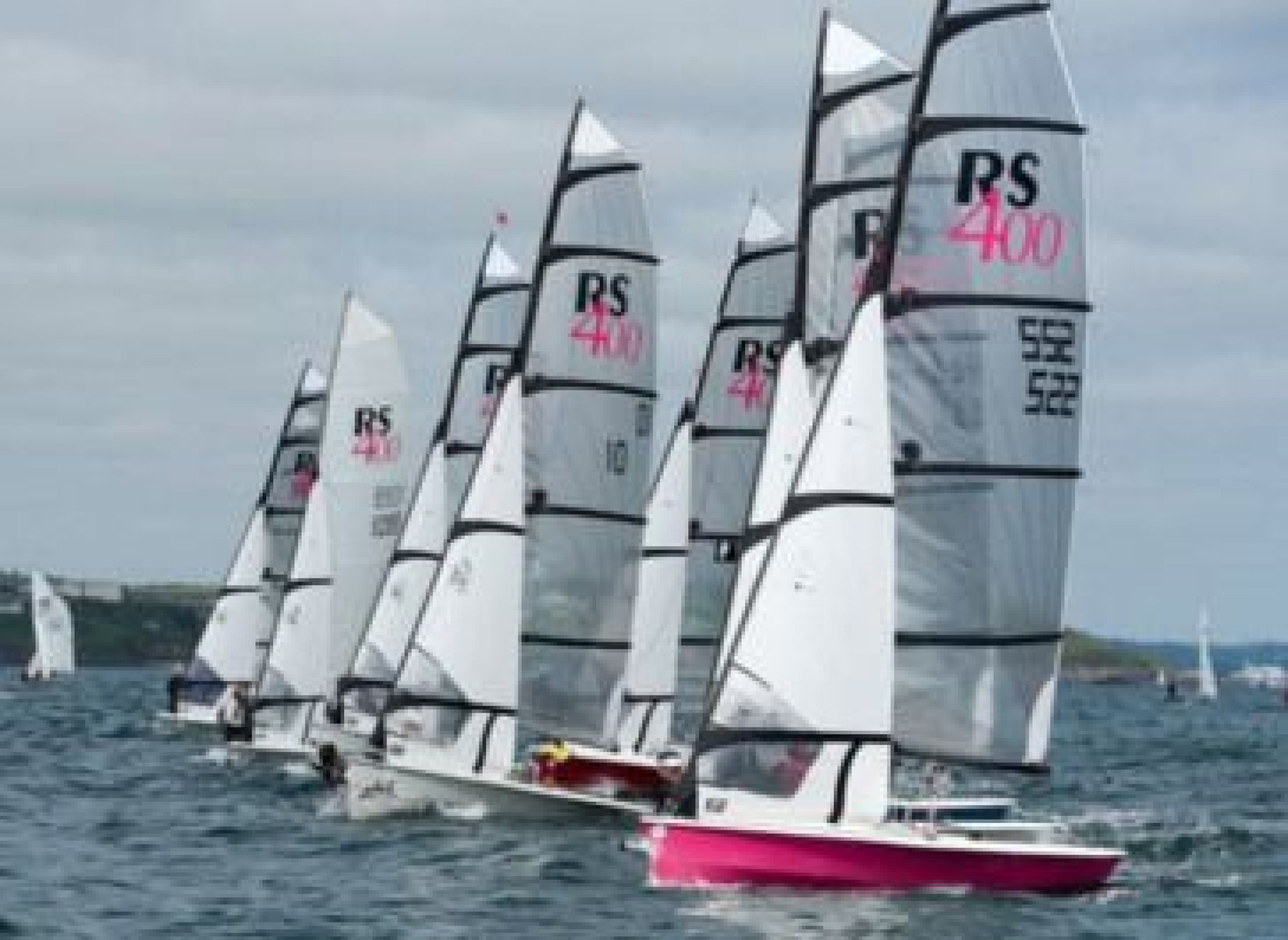
Perfecting your Dinghy Sailing Starts

Perfecting your Dinghy Sailing Starts

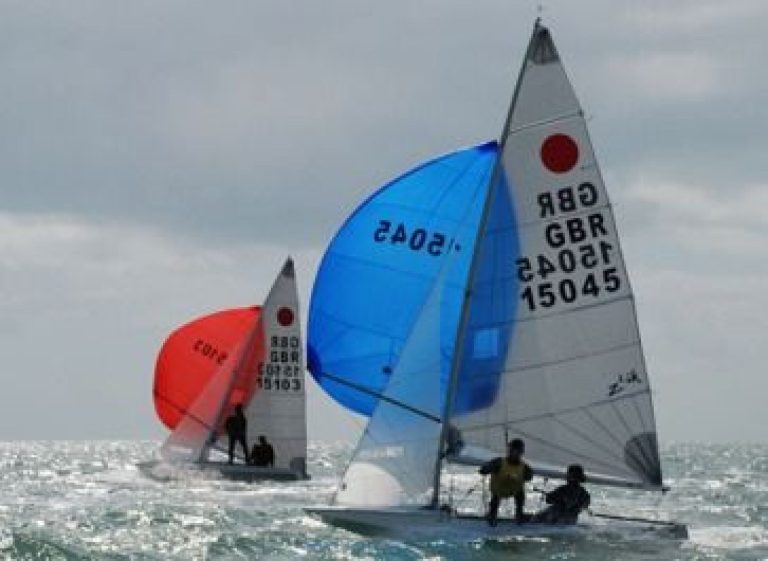
A good start in dinghy sailing can be crucial to a good result and whilst races are not won on the startline, they can certainly be lost. During the first 30 seconds of the first beat every meter translates to more positions gained or lost than at any other time during the race!

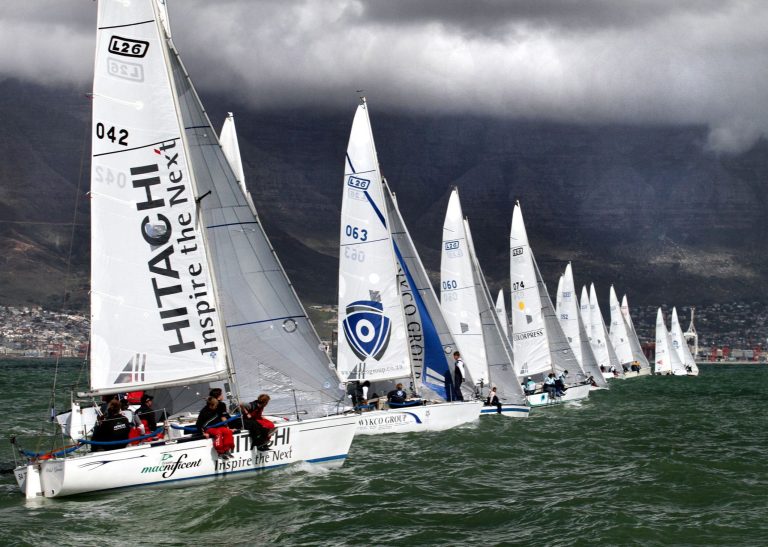
A good start is one where you are going in the desired direction in clean air, holding your lane 30 seconds after the gun. Ideally, at the gun, you want to be on the line, sailing at full speed on the favoured tack with room to leeward. Perfecting your start is all about having a starting procedure that you practise repeatedly. Below is the starting procedure that the Sailing Academy teaches to its students.

Before Warning Signal

  • Become comfortable in the sailing conditions
  • Devise your race plan and strategy
  • Identify your transits

After Warning Signal

  • Double check your transits and the startline bias

On Preparatory Signal

  • Synchronise your watch

Before One-Minute Signal

  • Sail upwind to double check your set-up and the startline bias

At One-Minute Signal

  • Check timing again and get in position for your final approach

After One-Minute Signal

  • Try to maintain sight of one end of the startline
  • Be aware of what is happening around, especially boats that could take the gap to leeward

25 seconds to go

  • Create a gap to leeward

10 seconds to go

  • Pull on kicker
  • Get the bow down to accelerate

3 seconds to go

  • Boat sailing at full speed to hit the startline

First 30 seconds after start

  • Concentrate on boat speed and holding your lane

As with anything in life, practice makes perfect. If you put in the effort and practice the above starting procedure each and every time you go for a sail, you will very quickly notice a dramatic improvement to your starts at the regattas.
Similar Posts

  • Top Tips For Racing Downwind

    Top Tips For Racing Downwind – My sailors have heard me say that you can win a race at the start, by the same token, you can loose a race on the downwind leg as it is often the boats behind that have a tactical advantage. Racing downwind on a run and getting to the leeward mark as quickly as you can is dependent on three related factors, boat speed, strategy & tactics.

  • Sailing The Windward Beat Fast

    Sailing The Windward Beat Fast – Speed is very important on the first beat because your competitors are all so close together. By going fast, you can get your nose in front of the boats around you, and this will give you clear air plus a chance to play the shifts.

    When you come off the starting line, you must settle quickly into a speed groove. Try not to get distracted by the boats nearby, and look for the sail trim and feel you had during your pre-start tune-up. Also, try to set a good tone for the rest of the race by focusing on speed, working hard to go fast and communicating with your crew. Here are some more tips.

  • Why You Should Race a Dinghy

    Why Race a Dinghy – As I prepare for this weekends Race Training clinic, I was reminded what an awesome sport dinghy racing is. Regattas are run in an amazing environment, often in iconic sailing waters, while we as sailors take up the challenge of the wind and water, stretching our physical and mental abilities at all levels – there is no other sport like it!

  • Learn to sail in Gordons Bay

    Learn to sail in Gordons Bay – Exciting news – The Sailing Academy is set to providing keelboat sailing lessons in Gordons Bay! The Academy will offer the World Sailing recognised South African Sailing ‘Learn to Sail’ course. This course includes 36 hours of course contact, run as 18 two hour sessions of fun, theory and practical sailing and is divided into four levels, each with a certificate of competence. The courses will be run using the Academies L26 keelboat, Wild Goose.

  • Fitness in Sailing & Winter Training

    Fitness in Sailing & Winter Training – As I sit in my study looking out across False Bay, rain pouring down, the topic of winter training and fitness crossed my mind. A wiser person than I once told me that in sailing, you need to be fit enough to carry out the manouveurs in your dinghy efficiently, all the way through to the last leg of the last race on the last day of the last regatta of the sailing season.