Sailing tips

  • Recovering from a Poor Start

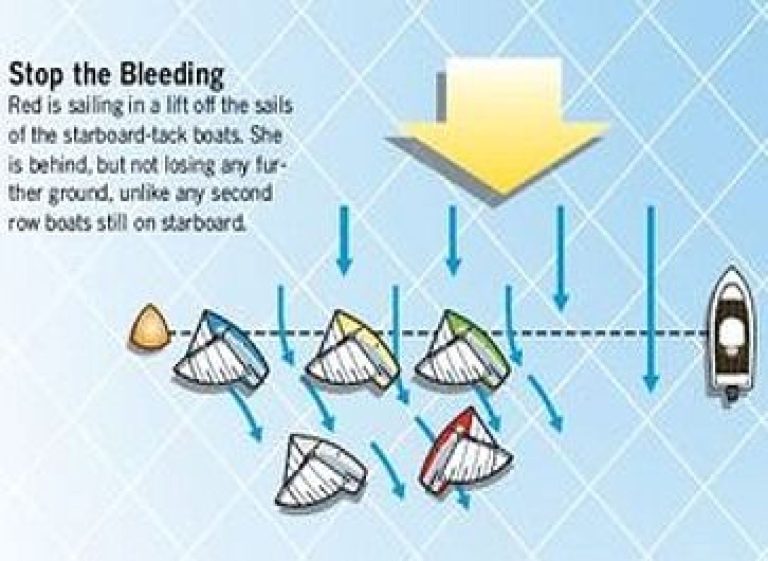
    Recovering from a Poor Start – Great starts are the stuff that dreams are made of. But when the occasional nightmare start sabatoges your plans, there are ways to salvage a positive outcome. One of the most predictable trouble areas for most sailors is the start. It’s easy to get clogged up, risk a foul, or just get rolled off the starting line. And worse, any mistake there gets accentuated because the fleet is so compressed.
  • Sailing The Windward Beat Fast

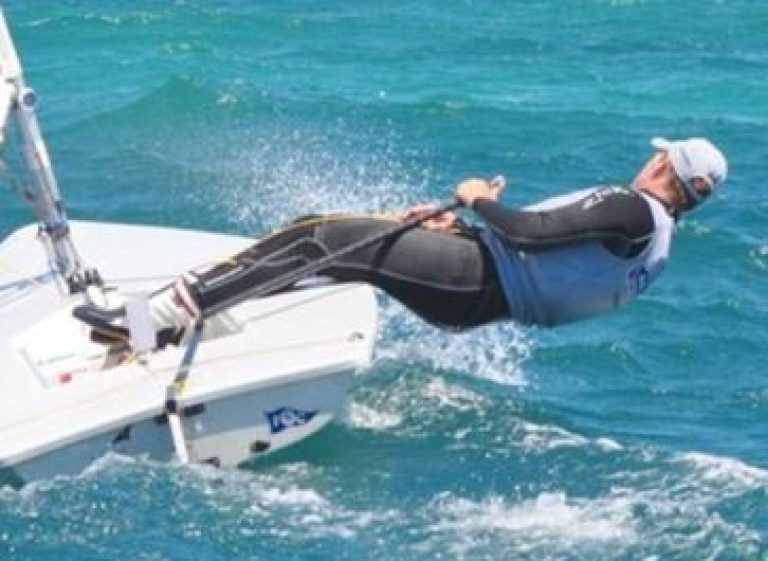
    Sailing The Windward Beat Fast – Speed is very important on the first beat because your competitors are all so close together. By going fast, you can get your nose in front of the boats around you, and this will give you clear air plus a chance to play the shifts.

    When you come off the starting line, you must settle quickly into a speed groove. Try not to get distracted by the boats nearby, and look for the sail trim and feel you had during your pre-start tune-up. Also, try to set a good tone for the rest of the race by focusing on speed, working hard to go fast and communicating with your crew. Here are some more tips.

  • Top Tips For Racing Downwind

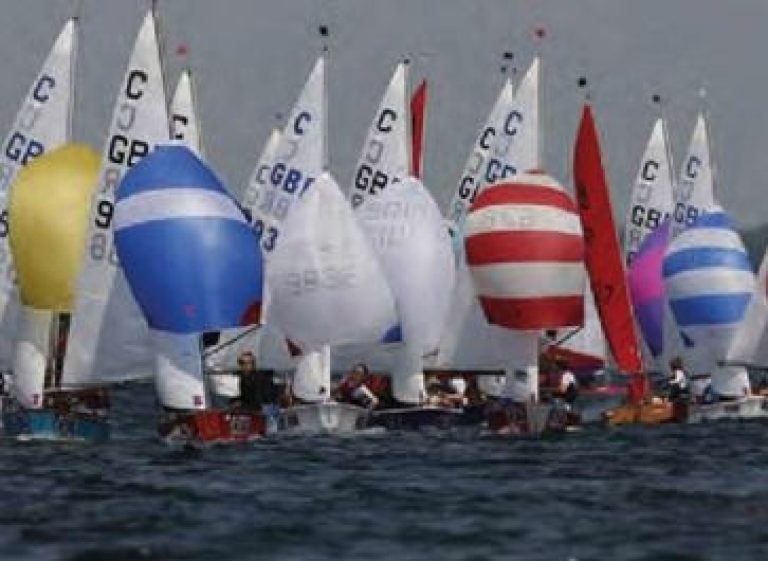
    Top Tips For Racing Downwind – My sailors have heard me say that you can win a race at the start, by the same token, you can loose a race on the downwind leg as it is often the boats behind that have a tactical advantage. Racing downwind on a run and getting to the leeward mark as quickly as you can is dependent on three related factors, boat speed, strategy & tactics.

  • Rounding the Windward Mark

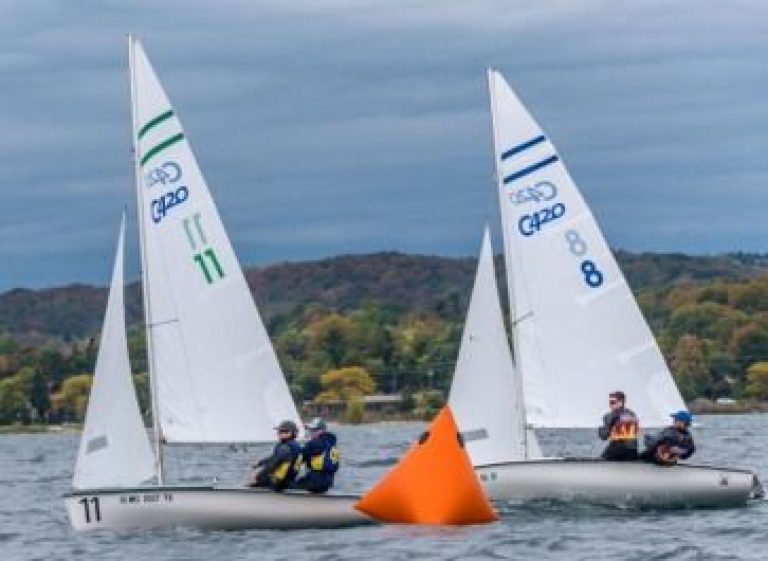
    Rounding the Windward Mark – Most sailors think hard about the start, and consider upwind speed and playing windshifts, but often the process of rounding the windward mark and transitioning onto the downwind leg gets lost in the shuffle. In sailboat racing, every tiny bit counts, and having a clean and successful windward mark rounding can gain you valuable boatlengths. The keys to rounding the windward mark is to make sure that you get there without sailing extra distance or fouling someone, and ensuring that you’re prepared for the next leg.