Fitness in Sailing & Winter Training
As I sit in my study looking out across False Bay, rain pouring down, the topic of winter training and fitness crossed my mind. A wiser person than I once told me that in sailing, you need to be fit enough to carry out the manouveurs in your dinghy efficiently, all the way through to the last leg of the last race on the last day of the last regatta of the sailing season.
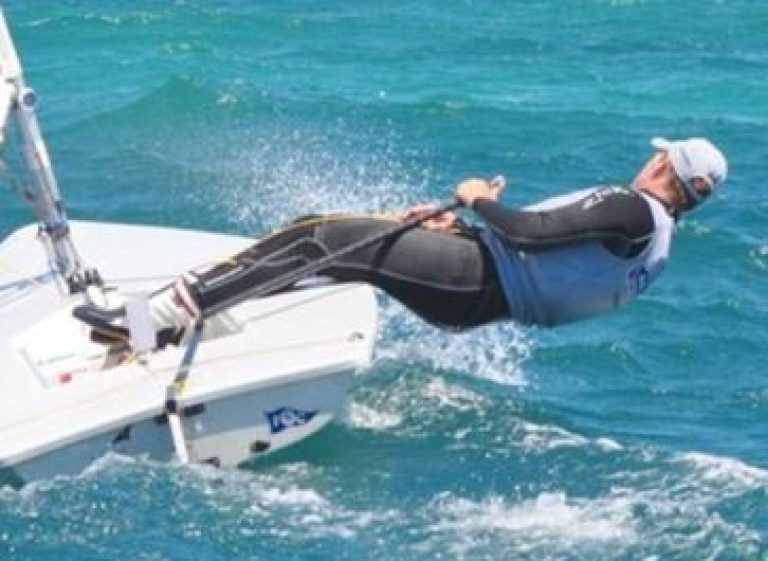
In all but the lightest conditions, improved fitness, flexibility, agility, endurance and strength will make it easier to carry out your sailing skills; hiking, tacking, gybing and get you around the race course faster. In addittion, a fit body leaves the mind free to make good decisions, something that many sailors loose sight of. If you are not sailing fit, it will affect your concentration, as your focus will be on the pain in your muscles rather than the wind shift on the course. It therefore stands to reason that to be a succesful dinghy racer, you need to ensure that you are in the best possible physical condition.
Winter sailing fitness training
Winter fitness training should focus on three main areas:
- core training for better balance and boat trim
- explosive movements of the limbs, for hiking the boat flat and sail trimming
- endurance ensuring you finish the last race as hard as you finished the first
Sailing fitness training ideas
In Michael Blackburn book, Sail Fitter he lists his top seven favorite training sessions.
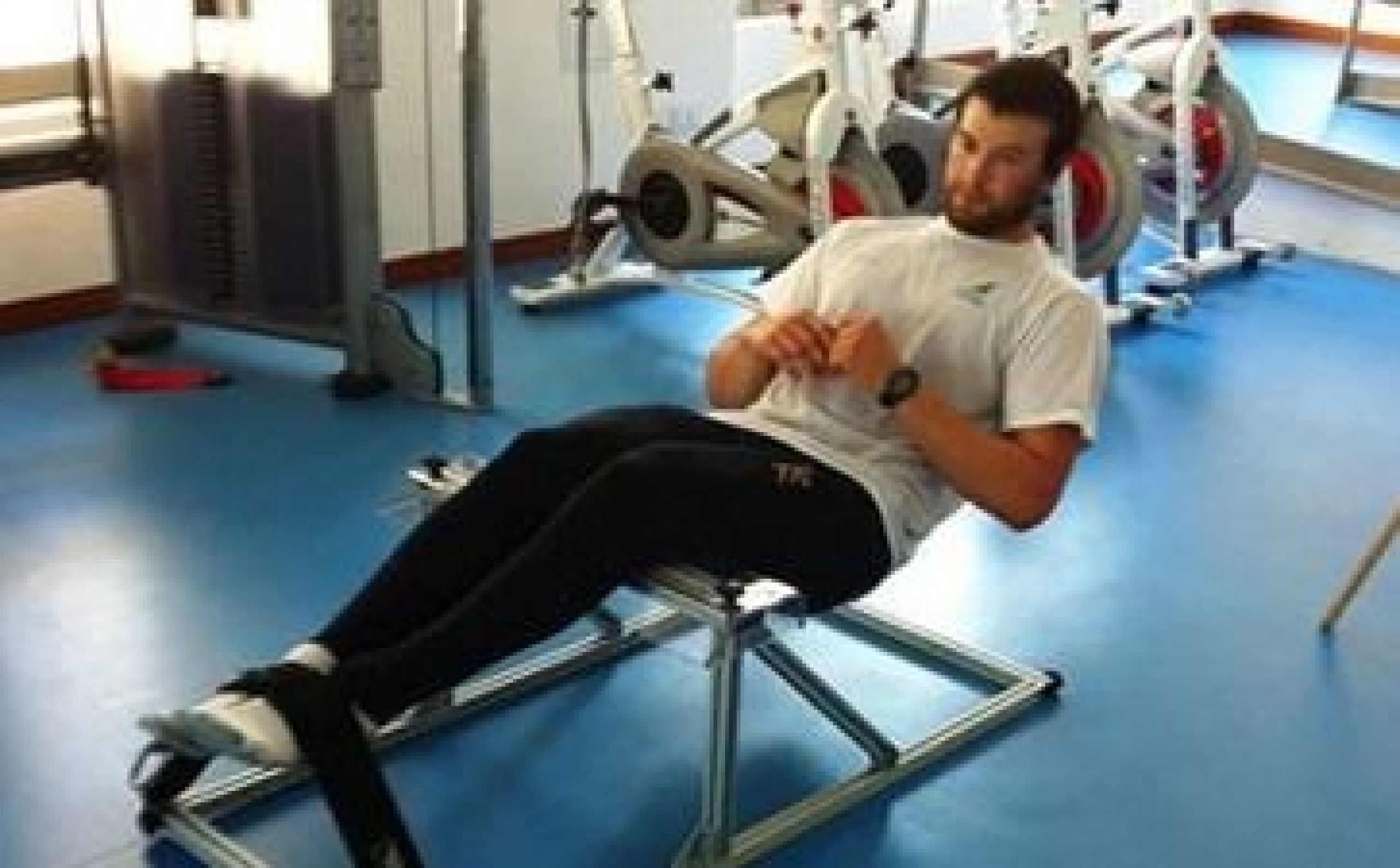
7. Postural and hiking muscles: crunches and reverse sit-ups.
6. Static endurance: wall sit.
5. Muscle strength: weight training.
4. Endurance: exercise bike and rowing machine. (This is an interesting one. He alternates working out on the bike and the rowing machine for an hour with roughly 20 minutes of cycling followed by 6 minutes of “sheeting” which is sitting on a rowing machine with straight legs pulling the rowing handle with each arm alternately. The idea is that this simulates a real race. The cycling sessions are the beats; and the rowing machine workouts are the reaches.)
3. Endurance: cycling.
2. Hiking endurance: hiking bench.
1. Sailing. (45 minutes to 4 hours sailing in winds greater than 10 knots.)
Blackburn is not only an Olympic Laser sailor but also has a PhD in Sports Physiology. So I guess that makes him an expert on the matter!
Sailing is FUN!
You don’t need to spend every free minute of every day in the gym to get sailing fit. What you will need to do is some strength training in the gym and then combine that with other fun activities, swimming, cycling, running, playing squash, soccer, rugby, etc. Staying active is the key, even when you are sore from a hard days sailing or training session in the gym, stay active, your body will recover quicker if you keep those sore muscles moving.