Why You Should Race a Dinghy
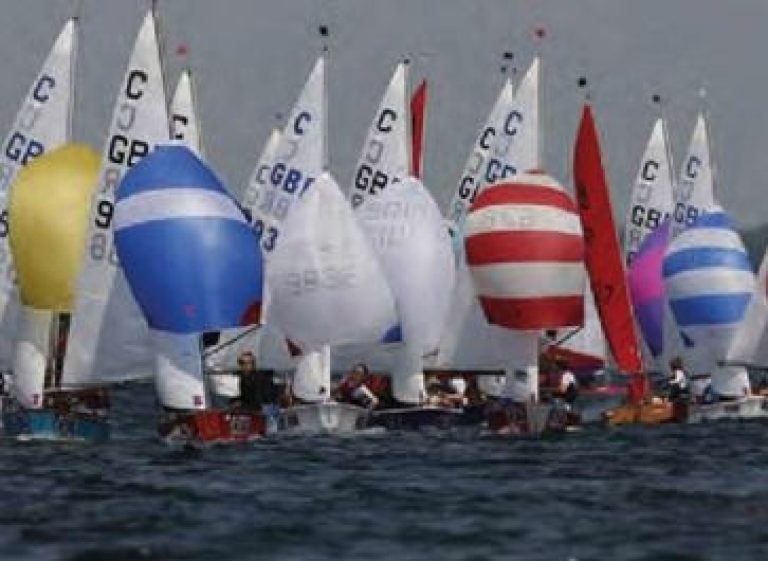
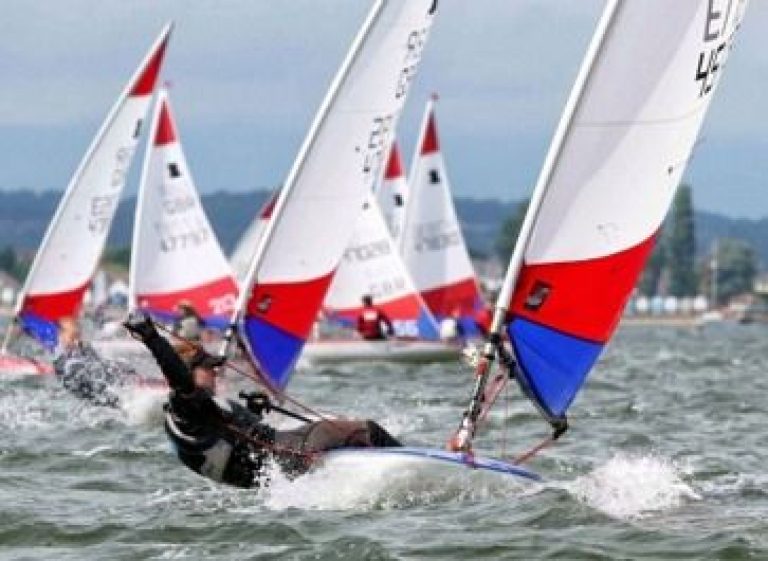
As I prepare for this weekends Race Training clinic, I was reminded what an awesome sport dinghy racing is. Regattas are run in an amazing environment, often in iconic sailing waters, while we as sailors take up the challenge of the wind and water, stretching our physical and mental abilities at all levels – there is no other sport like it!
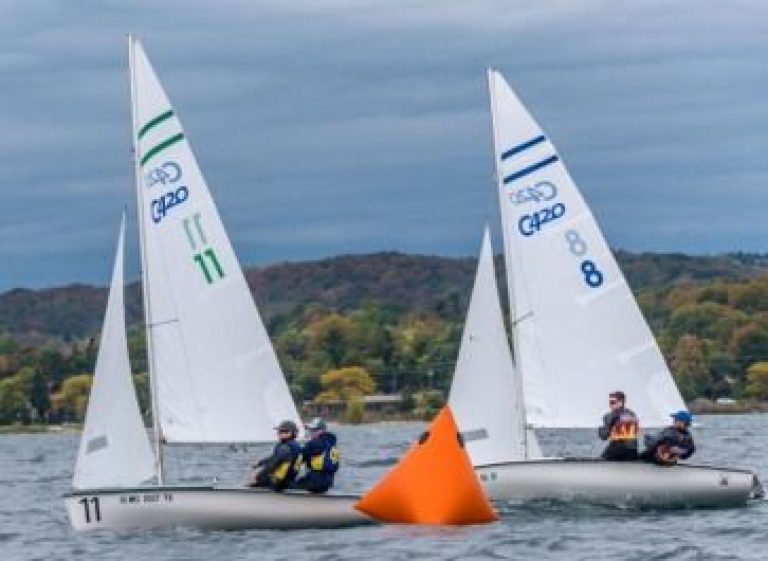
Racing is the perfect way to enjoy dinghy sailing and improve your sailing skills at the same time. Dinghy racing is available at all levels, from Sunday Club racing at your local yacht club to multi-class, multi-Club regattas, held through the sailing season to Class, Regional, National and World Championships. The culmination of dinghy racing is the Olympics, held every four years, this is considered to be the pinnacle of dinghy racing, persued by an elite group of International dinghy racers.
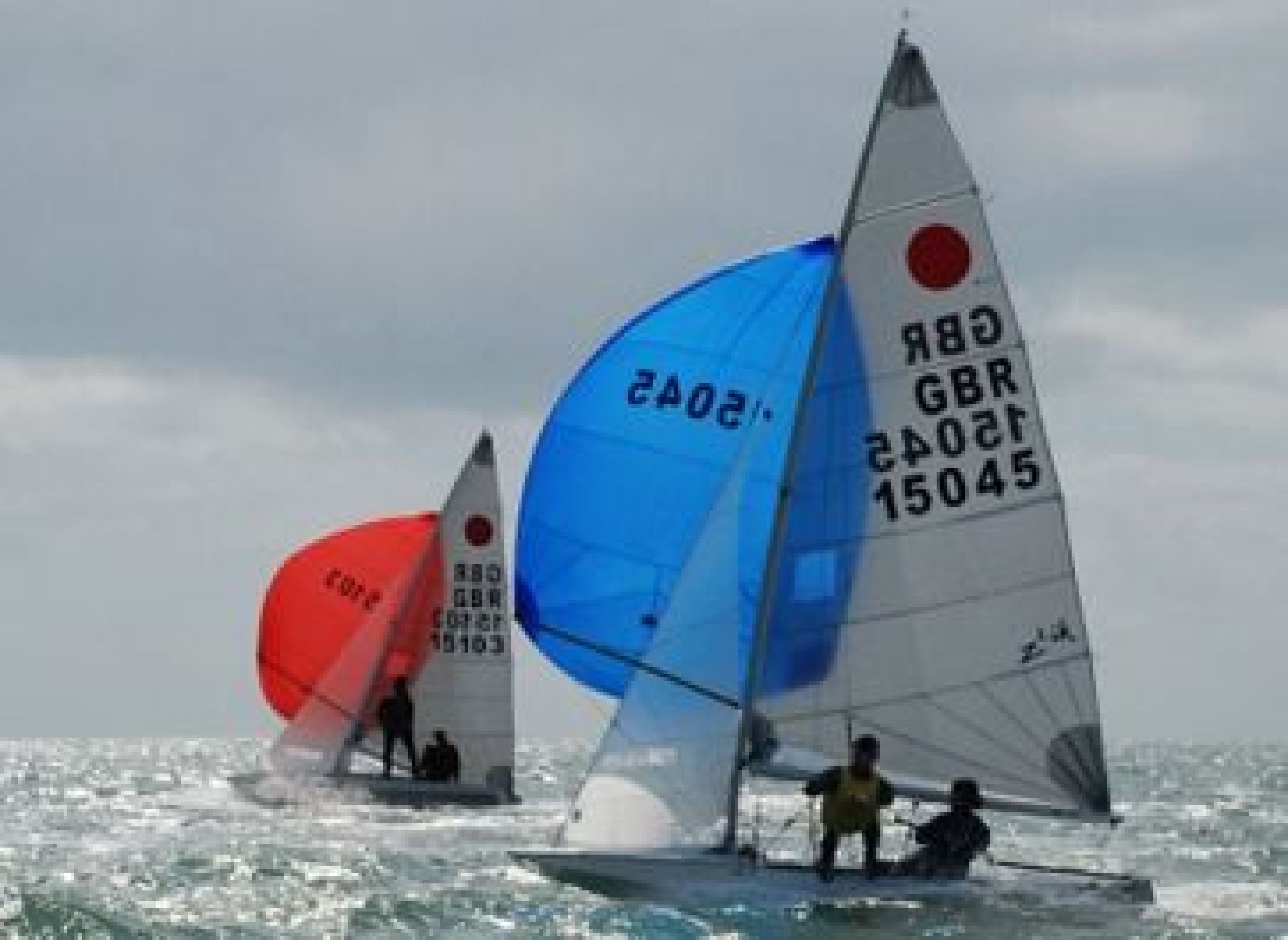
Be forewarned, dinghy racing can become very addictive. Many sailors become so hopelessly hooked that they devote a whole lifetime to racing. Children can can start sailing at a young age and can learn to race a small dinghy such as an Optimist or RS Terra from six years old, teenagers move into dinghy racing much more quickly, on more exiting boats with gennakers and trapeze wires. Young adults have a wide choice of dinghies to race, while mature adult will tend to move to the more stable and predictable classes, with the prospect of enjoying a competitive edge that will hopefully last for the rest of their lives.
Virtually any dinghy can be raced, below is a list of the best known International classes, but there are many other classes available.
| Laser Finn 470 49er |
GP14 Enterprise Fireball 505 |
Mirror Sonnet Optimist RS Terra |
Topper Topaz 420 29er Musto Skiff |
Some sailors stay resolutely dedicated to a particular class, while others will chop and change as they progress through the different nuances of dinghy racing.
Regardless of which class of dinghy you race, you can be assured of these five rewards.
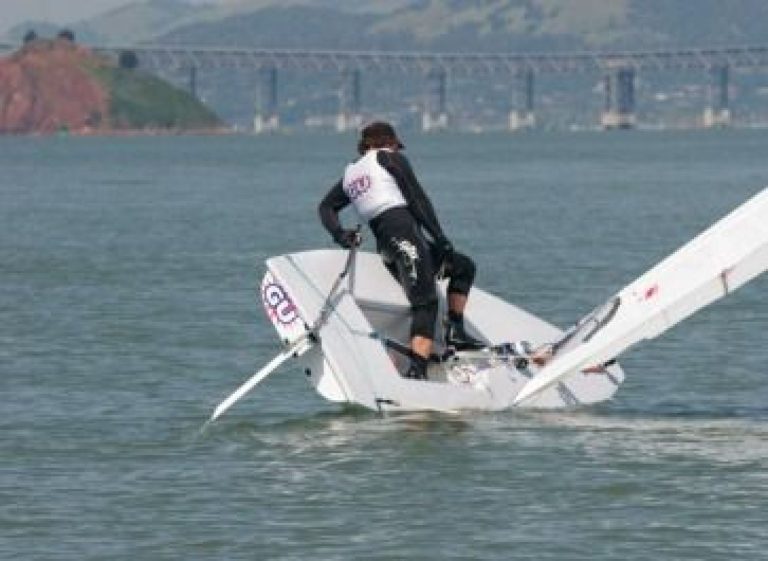
- Your competitors will push you to improve your boat handling skills and consequently, you will become a better sailor, learning through practice and following the examples of those that are better than you.
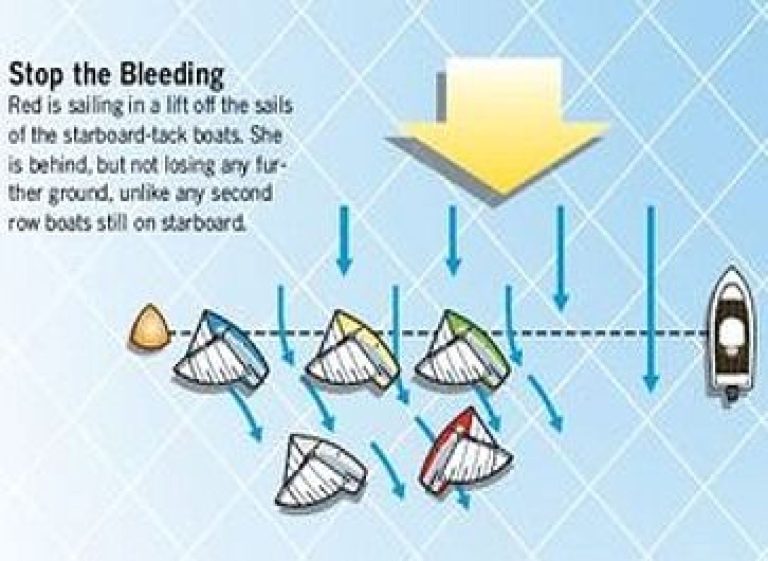
- You will get your grey matter going as dinghy racing is a tactical sport, a bit like on-the-water chess, where the natural elements hold the winning stake.
- You will make good friends, both on and off the water, dinghy racing is a competitive amateur sport, sailors are expected to have fun and come off the water ready to congratulate their opponents.
- You will have the opportunity to travel to regattas and race in numerous different places, nationally and Internationallly.
- You will never get bored, regardless of your level, the challenge is always there!
Now get out there and do it – enjoy the dinghy racing experience!